FR Workwear for Electrical Workers — CAT 1 Through CAT 4, Every Exposure Covered
Electrical work requires FR clothing that matches the arc flash hazard level — not the highest protection available, and not the cheapest option that technically qualifies. The right garment is the one that meets your program's CAT rating requirement, fits the job's physical demands, and holds up through a full shift without being the thing you dread putting on in the morning.
Every garment in this collection is NFPA 2112 certified by UL and meets NFPA 70E and ASTM F1506 standards. Use the CAT Rating filter to shop by your program's required protection level — CAT 1 through CAT 4.
Understanding CAT Ratings:
CAT 1 (4 cal minimum) — low-voltage electrical work with limited exposure. Our FR Base Layers at 6 cal CAT 1 are the starting point — the layer that protects you at skin level when every layer matters.
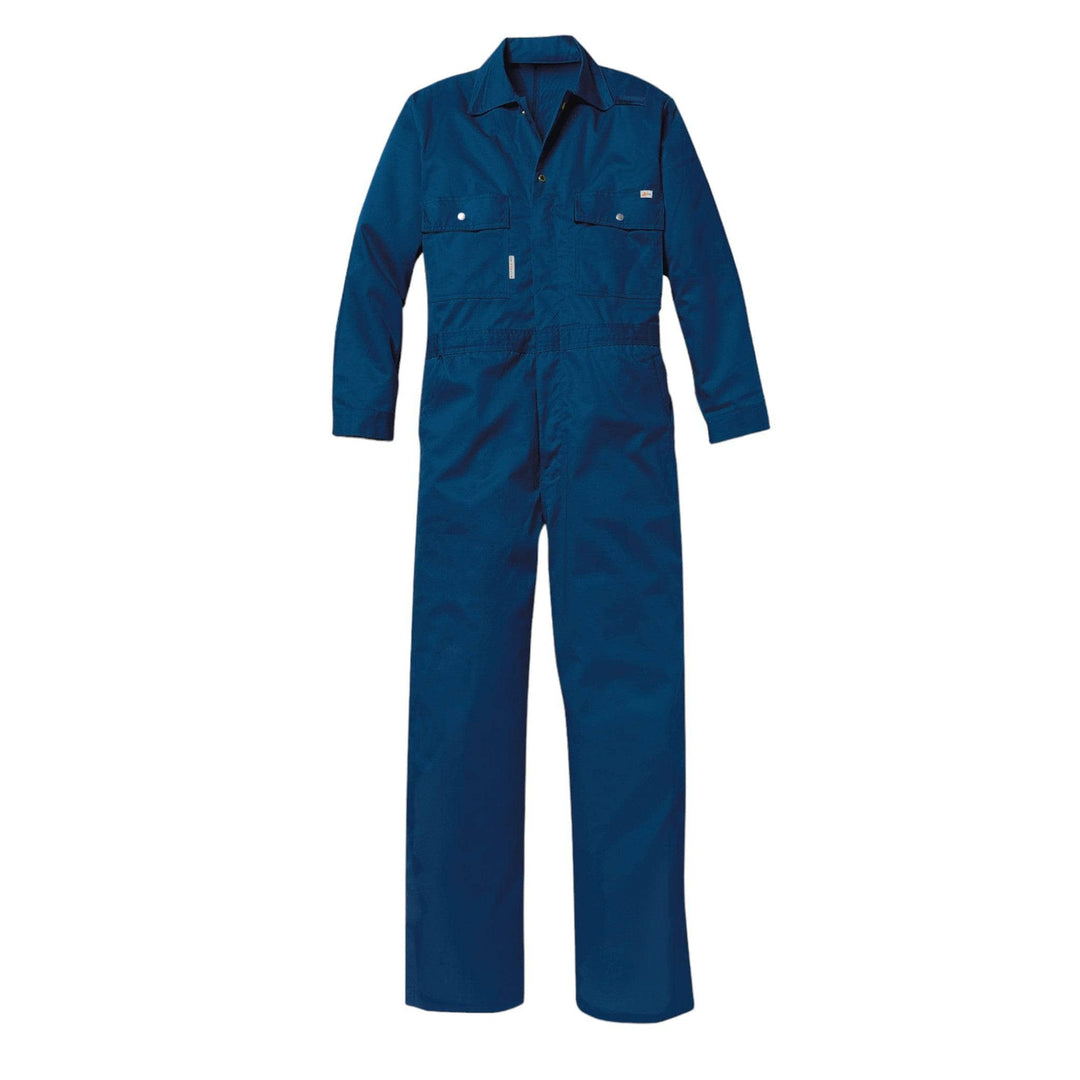
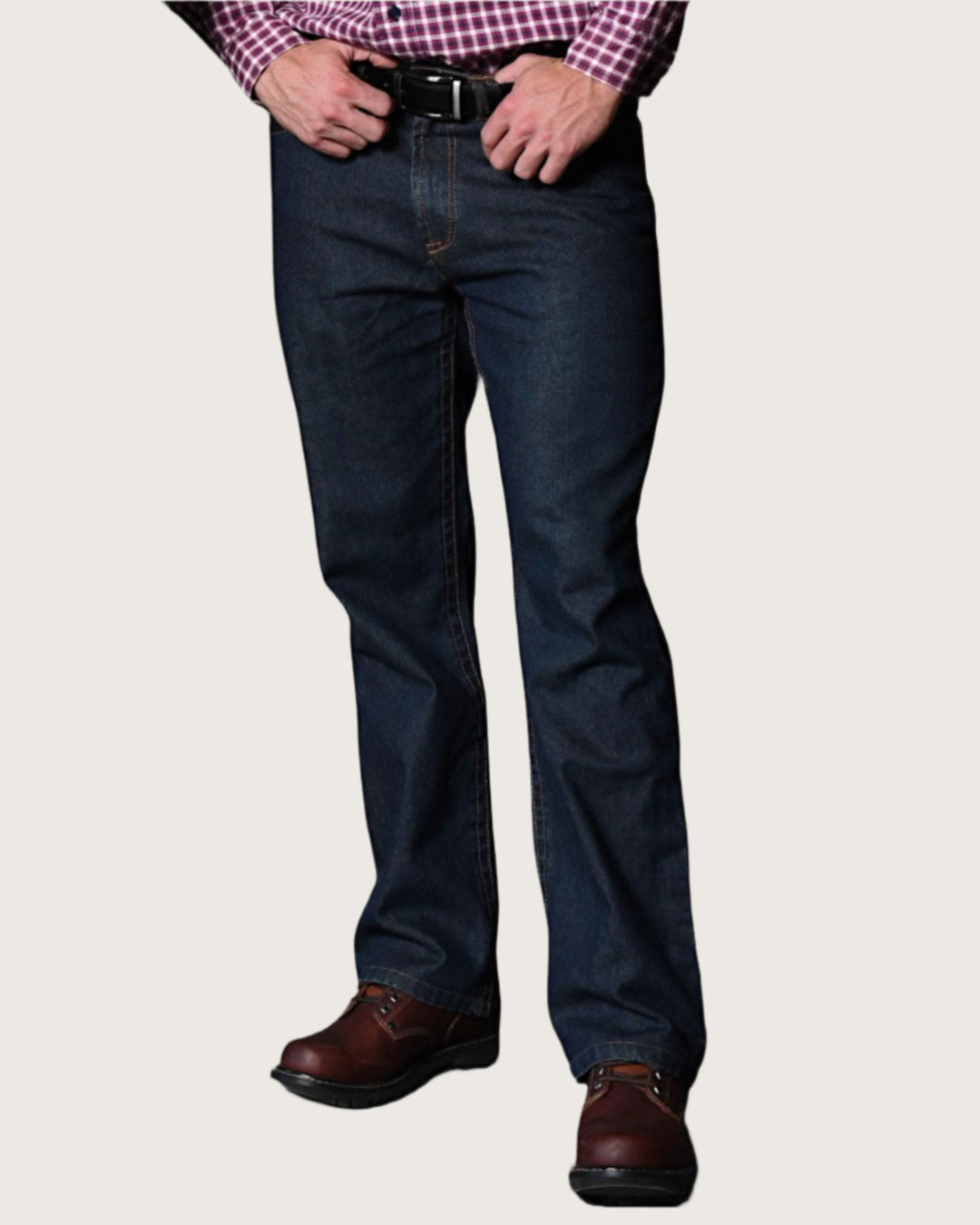
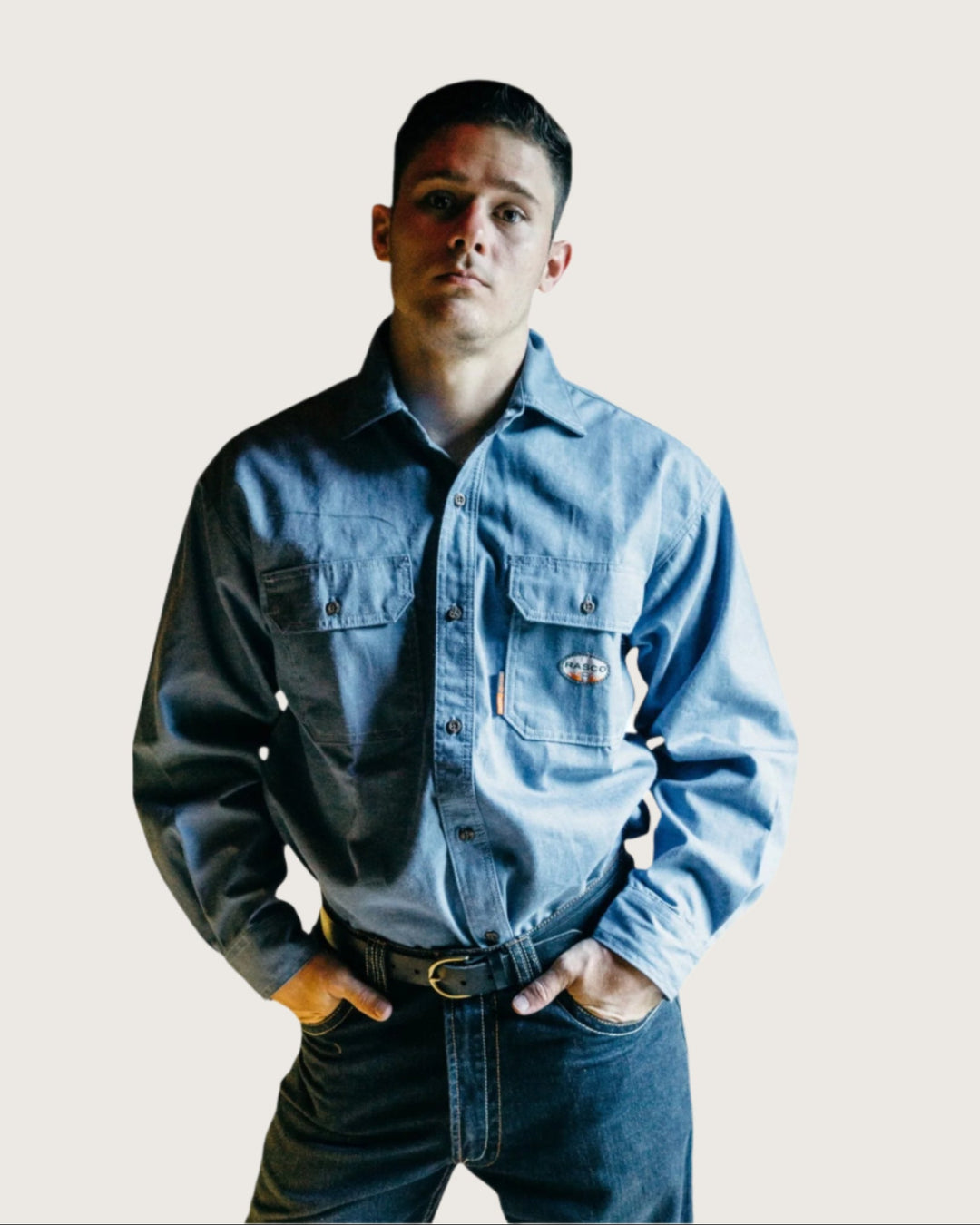
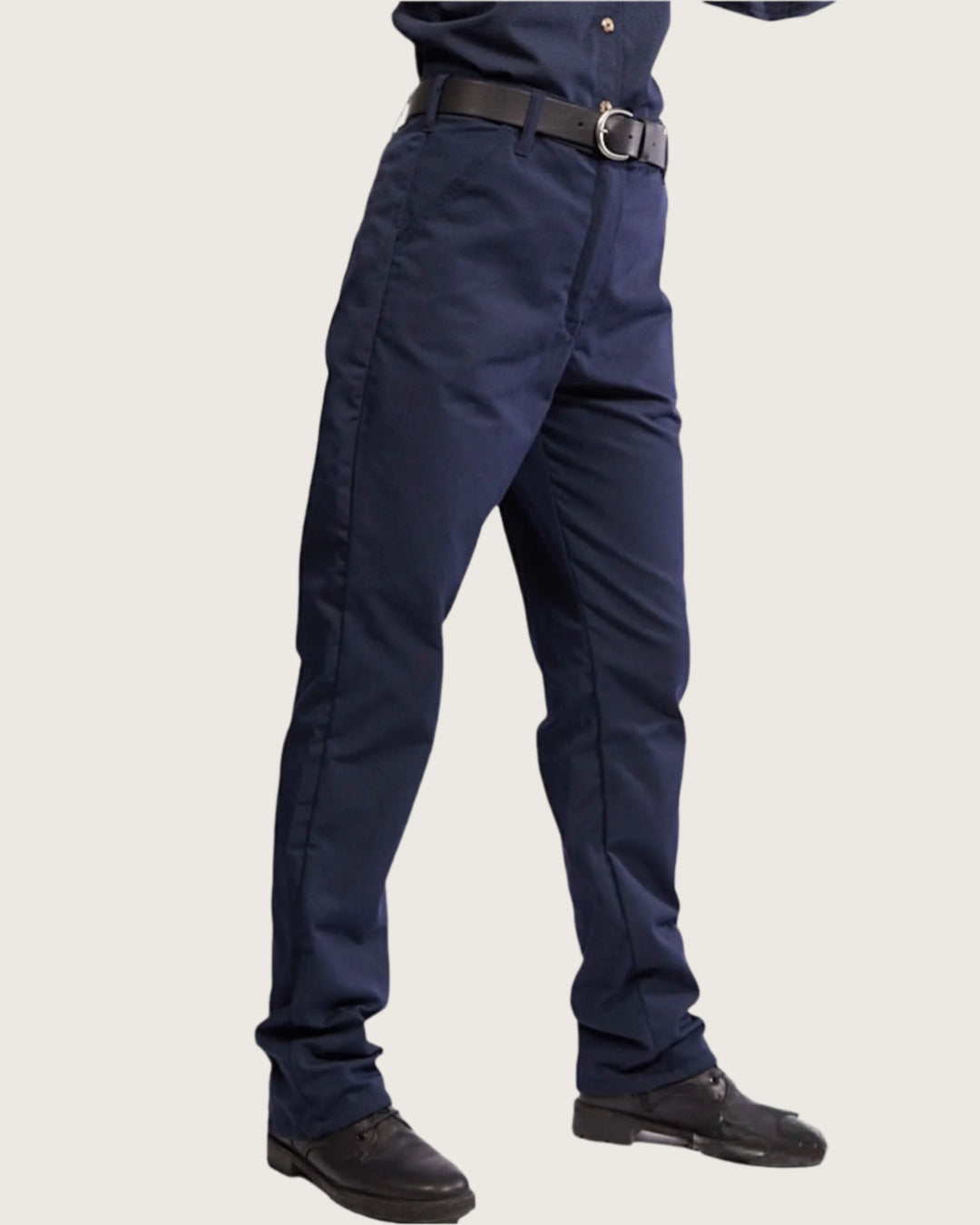
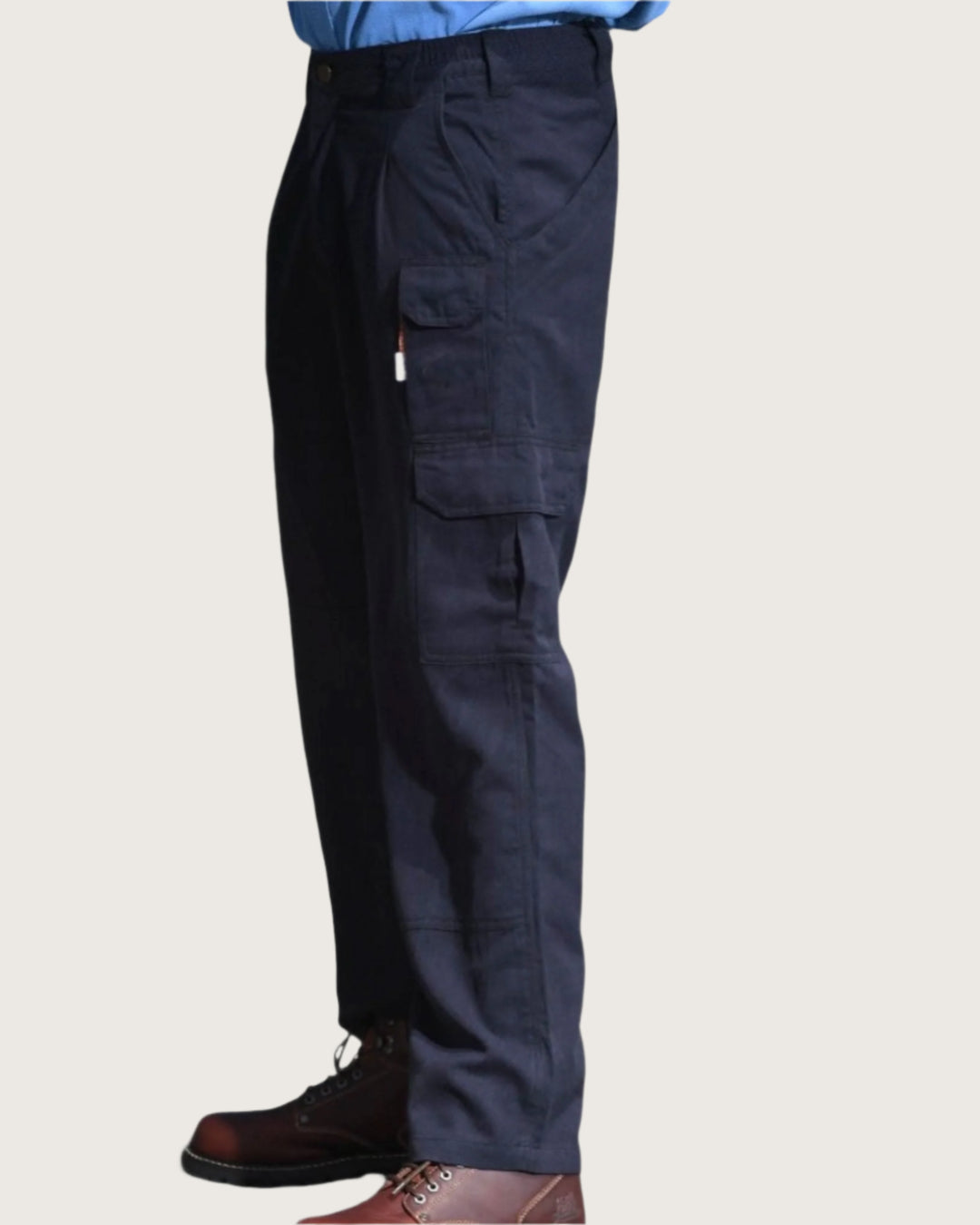
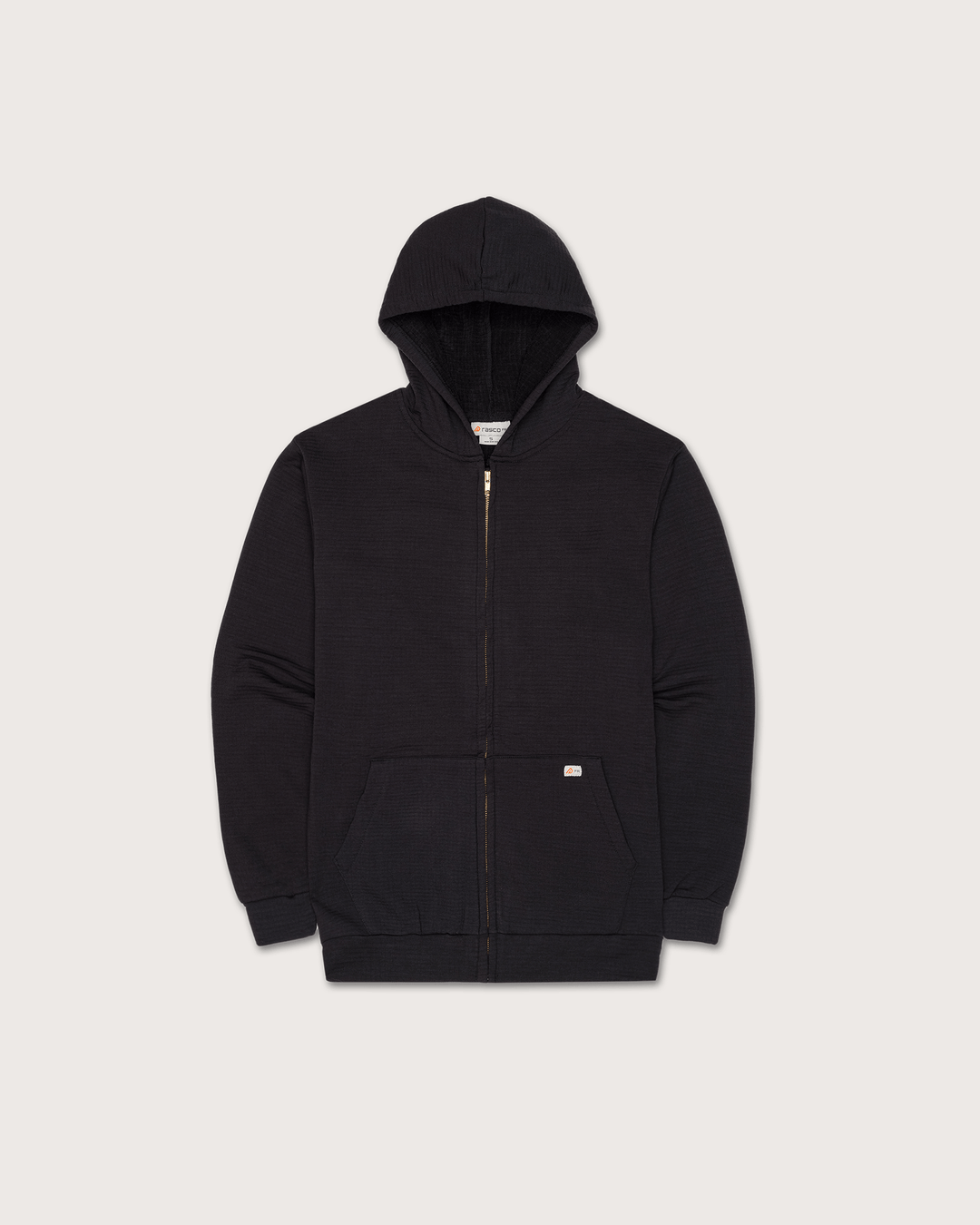
CAT 2 (8 cal minimum) — the most common requirement for electrical workers in industrial environments. Most of our FR shirts, pants, coveralls, hoodies, and jeans are CAT 2. At 8–22 cal, this is the range where the majority of electrical work happens.
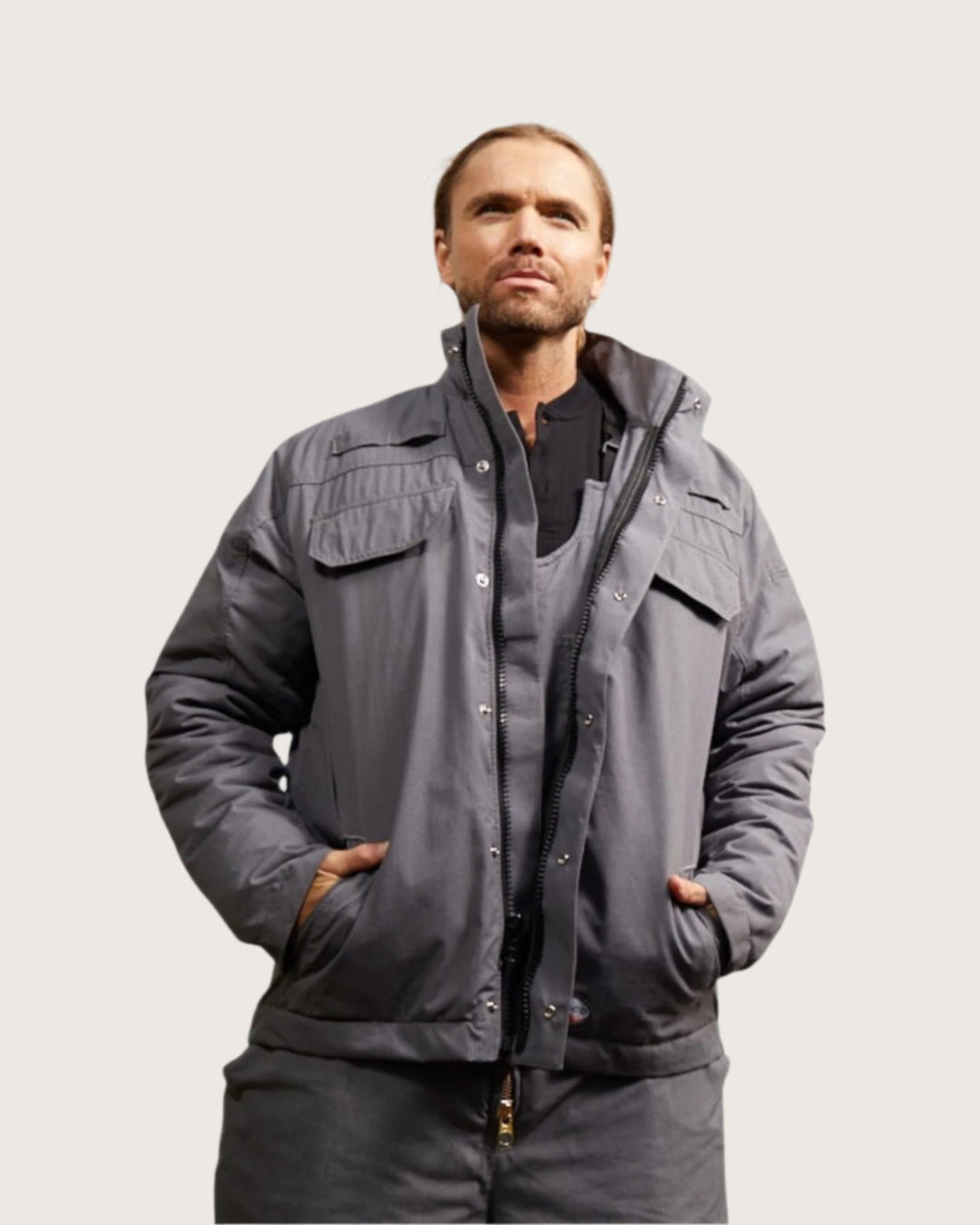
CAT 3 (25 cal minimum) — elevated arc flash hazard. Our FR Canvas Field Jacket, FR Canvas Hooded Jacket, and FR Canvas Lanyard Access Jacket all carry 35–38 cal CAT 3 ratings. For linemen and utility workers in higher-energy environments.
CAT 4 (40 cal minimum) — the highest hazard level. The Retro FR Utility Jacket (42 cal) and the FR Heavy Bib Overall (42 cal) are our CAT 4 options — for the most demanding electrical exposure environments.
What electrical workers need:
Daily Wear Comfort — you wear FR clothing every day. The difference between FR that gets worn and FR that gets left in the truck is comfort. Our FR Base Layers (5 oz modacrylic, athletic fit) and FR Henley (7 oz FR cotton knit) are the starting point for a system you'll actually wear all day.
Program Compliance — safety programs specify not just CAT rating but certification. Every garment here carries NFPA 2112 certified by UL, NFPA 70E, ASTM F1506, and CSA Z462 for Canadian programs. The certs are real. The documentation is available.
Industrial Laundering — program garments go through commercial laundering that destroys standard cotton over time. Our 88/12 Westex® UltraSoft® uniform shirts and pants are specified by industrial laundry programs because the 12% nylon content survives commercial washing without breaking down. GlenGuard® inherent aramid carries protection in the fiber — it cannot wash out regardless of laundering frequency.
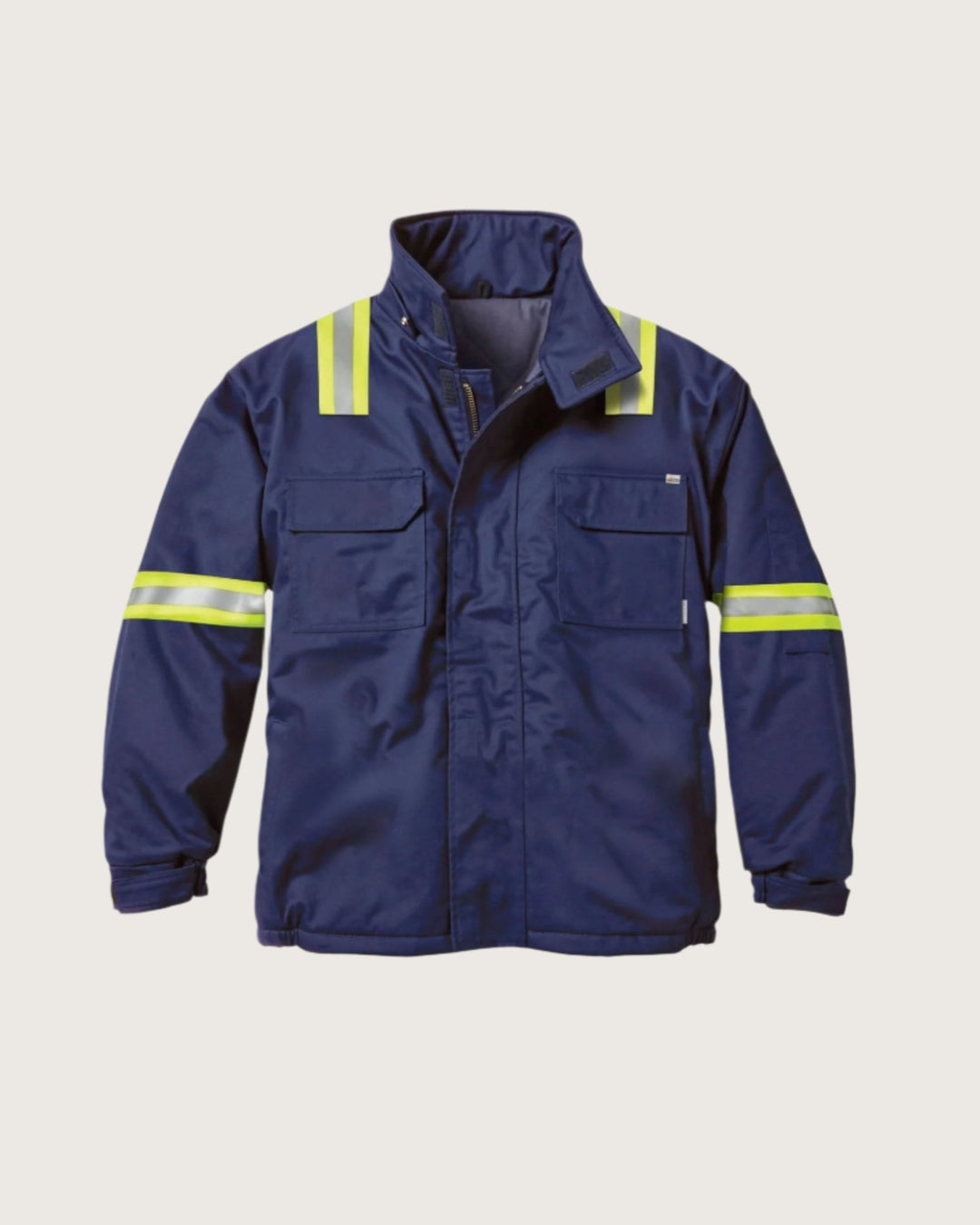
Hi-Vis Dual Compliance — for electrical workers in traffic exposure or low-light environments who need both arc flash and ANSI visibility compliance. Our FR Hi-Vis Long Sleeve Shirt carries 16 cal CAT 2 with ANSI Class 3 certification — one shirt, two compliance requirements.
Harness Compatibility — for linemen and tower workers who wear a fall arrest harness every day. The FR Canvas Lanyard Access Jacket (35 cal CAT 3) has a back flap with hook-and-loop closure that lets your lanyard pass through while the jacket stays on. FR protection and fall arrest capability simultaneously.
Build your complete electrical worker's FR system:
FR Base Layer (6 cal CAT 1) → FR Uniform Shirt or Henley (8–10 cal CAT 2) → FR Jeans or Field Pants (13–20 cal CAT 2) → FR Hoodie (22 cal CAT 2) → FR Canvas Jacket (35–38 cal CAT 3). Every layer rated, every day compliant.
Common questions:
What FR clothing do I need for electrical work? Your safety program's arc flash hazard analysis determines your CAT requirement. Most general industrial electrical work requires CAT 2 as a minimum. Higher-voltage work or work near energized equipment may require CAT 3 or CAT 4. When in doubt, refer to NFPA 70E Table 130.5(G).
Does my FR clothing need to be NFPA 2112 certified? NFPA 70E governs electrical safety and references ASTM F1506 for arc-rated clothing. NFPA 2112 certification (flash fire protection) is required by some programs and preferred by most. All garments in this collection carry both.
Can I wear my FR shirt without an FR base layer? Yes — if your FR shirt meets your program's CAT requirement, an FR base layer is not always required. However, synthetic underlayers (polyester, nylon, spandex) are never acceptable under FR clothing. 100% cotton or FR-rated underlayers only.
How often should I replace FR clothing? FR clothing should be replaced when it shows signs of wear that compromise protection — holes, tears, thinning fabric, or damaged seams. There is no fixed replacement schedule, but a garment that has been through an arc flash exposure event should be retired and replaced immediately.
Free shipping on orders over $150. Backed by the Tough As You Guarantee on every garment.